
LONE WORKER ALARMS - NO MONITORING FEE - SIMPLE TO USE
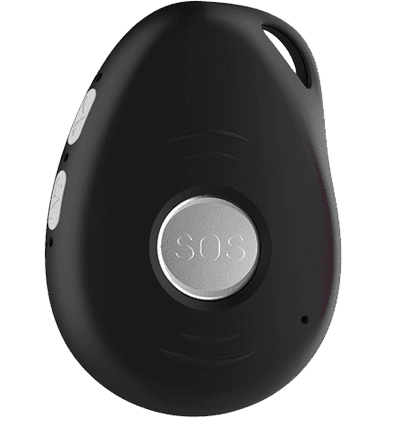
What is a man down alarm?
A man down alarm is a worker safety device that can activate an alert automatically when its configured detection conditions are met.
Mercari’s no-motion function monitors device inactivity. If no movement is detected for the configured period, it starts an alert sequence that can notify your chosen responders.
This may help your organisation identify that a worker needs assistance. It detects inactivity rather than diagnosing an injury, unconsciousness or a medical condition.
Would your business know if a lone worker needed help?
Employees can be isolated from assistance while working on your premises, visiting another site or completing an after-hours shift.
If a worker becomes injured or unable to reach a phone, a manual panic button may be difficult to use. An automatic inactivity alert provides another way for your team to become aware of a potential problem.
For employers, an effective arrangement connects three things:
-
A device suited to the worker and task.
-
Available people who receive and assess alerts.
-
A clear procedure for arranging assistance.
How Mercari’s no-motion alert works
-
Configure the device. Set your nominated contacts and an appropriate inactivity period.
-
Wear the alarm during work. Position it according to the device instructions so it can sense the wearer’s normal movement.
-
The device detects inactivity. When the no-motion period is exceeded, the PRO device provides a vibration and voice warning.
-
Continued inactivity triggers notifications. The device follows its configured text and call settings to alert nominated contacts.
-
Your responders take action. They assess the notification, attempt communication and arrange appropriate assistance.
Location-enabled messages help responders identify where the worker may need help. Location accuracy and availability depend on the environment.
Choose inactivity settings around the work
The appropriate no-motion period depends on the task, the worker’s normal activity and the consequences of a delayed response.
Consider how much movement occurs during routine duties, breaks and stationary tasks. A setting that repeatedly activates during normal work can create unnecessary alerts; a longer period can delay notification.
Agree the settings through your risk assessment and confirm them with Mercari. Review them when duties or working conditions change.
The device needs to remain with the worker. An alarm left stationary on a desk cannot reliably represent the wearer’s activity.
Man down, fall detection and SOS serve different purposes
| Function | Trigger | How it supports your team |
|---|---|---|
| Man down/no-motion | Device inactivity exceeds the configured period | Provides an automatic alert about prolonged inactivity |
| Fall detection | Sensor readings meet the device’s fall detection criteria | Can raise an alert after a qualifying fall |
| SOS panic button | The worker manually activates the button | Allows the worker to request assistance directly |
A no-motion alert does not require a hard fall to occur. Equally, movement may continue during an incident, so inactivity detection cannot identify every emergency.
Read About Automatic Fall Detection | Explore Panic Alarms
Support lone and at-risk employees across your business
Discuss man down alarms for staff such as:
-
Maintenance workers and field technicians.
-
Contractors working away from direct supervision.
-
Security personnel carrying out patrols.
-
Community workers conducting solo visits.
-
Employees completing isolated or after-hours tasks.
Assess each role and location before selecting an alarm. Confirm that lone working is appropriate and that the device, communication coverage and response arrangements suit the risks.
Keep control of your alarm response
Mercari alarms send notifications to the contacts you programme, such as a supervisor, manager or designated responder.
Your organisation owns the devices outright and manages its response process without a mandatory paid monitoring service. SIM and mobile usage costs still apply.
Make sure nominated contacts are available throughout the relevant shifts. Decide who takes responsibility for each alert and what happens if the first contact cannot respond.
The alarm operates independently of the worker’s smartphone. Cellular communication requires an active compatible SIM, sufficient mobile service and suitable coverage.
Man down alarm FAQs
Can the alarm detect unconsciousness?
It detects configured sensor conditions, such as device inactivity. It cannot determine whether someone is unconscious. Treat an alert as a reason to assess the worker’s situation using your response procedure.
Can normal inactivity cause an alert?
Yes. A worker remaining still, or an alarm left on a surface, may meet the no-motion conditions. Suitable settings, correct wearing and training help manage unnecessary alerts.
Does no-motion detection operate while charging?
No-motion detection pauses while charging and resumes when the device is taken off charge. Confirm the behaviour of the model you are purchasing.
Will it work without mobile coverage?
The cellular device requires suitable mobile coverage to send notifications and make calls. GPS positioning does not provide a satellite communication connection.
Strengthen your lone worker response arrangements
Help your business respond when an employee may be unable to raise an alarm themselves.
Option 1. $515+gst
LONE WORKER ALARM
Device/base only, you set it up yourself.
User to Set Up & program. Set Up manuals provided.
Option 2. $550+gst
LONE WORKER ALARM - No SIM
Device/base plus programming, you supply the SIM
Initial Setup Programming Included
Option 3. $599+gst
LONE WORKER ALARM + Set Up + SIM
Device/base plus programming and SIM included
Spark Prepay SIM with $50 credit Included
Ready to work out of the box